When to Sue for Property Damage in Rhode Island: Knowing Your Legal Options
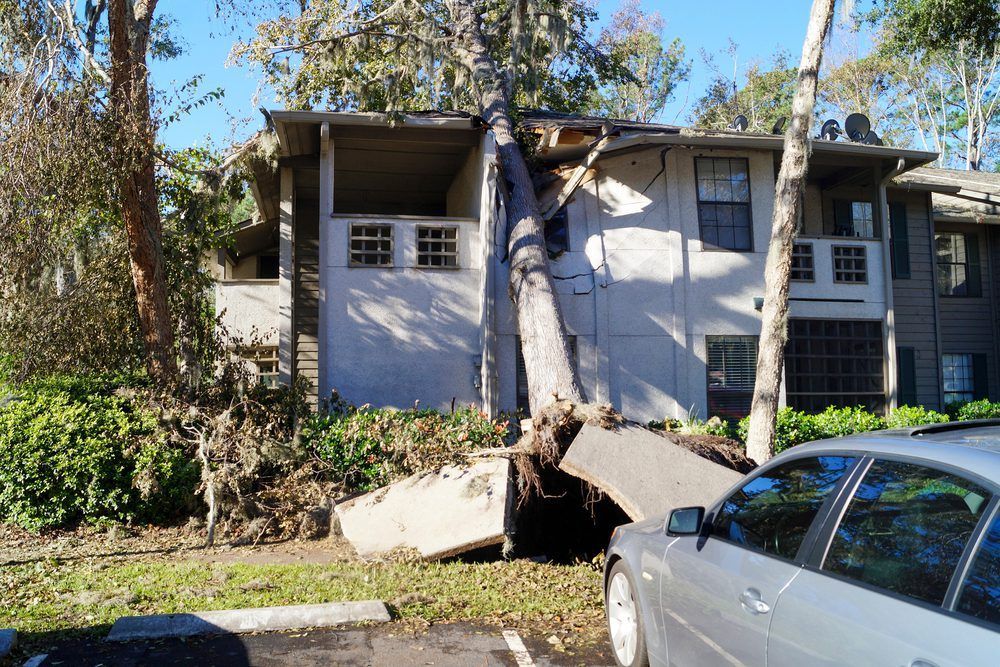
Rhode Island property owners often wonder whether it is appropriate to sue for property damage. The decision typically depends on evidence of negligence, breach of contract, or unfair insurance practices. If your insurer denies a valid claim or fails to offer a fair settlement, you may have the right to file suit under Rhode Island law (see R.I. Gen. Laws § 9-1-13 for statute of limitations details).
For those who have suffered damage from storms, fires, mold, or other incidents, there may be grounds to pursue legal action in state or federal court. In each situation, it is wise to weigh costs, gather documentation, and assess potential outcomes before moving forward. When you need immediate support, call for assistance from seasoned property damage lawyers. Early legal guidance can protect your rights and preserve valuable evidence.
If you suspect your rightful insurance claim has been denied or minimized, do not delay in seeking help. Reach out to our dedicated team of Cranston RI property damage lawyers who can advise you on the best course of action. Our firm, PALUMBO LAW, is prepared to champion your interests against insurance carriers and negligent parties.
Rhode Island Property Damage Claims
Property damage can result from severe storms, burst pipes, fires, mold infestations, or structural failures. In Rhode Island, you might recover compensation if you can prove duty, breach, and harm—especially in cases involving an insurance company that fails to pay what is owed. Whether you need a property damage attorney for a single-family home or you manage multiple units as an investor, knowing when to escalate your claim to a lawsuit is essential. Lawsuits may address fire damage, water intrusion, mold, or storm-related devastation.
Option 1 – Insurance Negotiation
Often, the first step involves asserting your claim with the insurer. Property insurance claim lawyers can initiate discussions aimed at reaching a fair settlement. By preparing detailed estimates, photographs, and independent assessments, it is possible to present evidence of the actual cost of repair or replacement. If this negotiation stage fails to produce an equitable result, further legal measures become more likely.
Option 2 – Filing a Lawsuit
Property owners sometimes file suit if the insurance carrier continues to underpay or deny a valid claim. This is where a RI property insurance claim attorney can help document breaches of the policy. With a thorough review of policy language, property water damage lawyers might establish that the insurer violated its obligations.
In Rhode Island, courts allow suits against insurers for wrongful denial and bad faith, which can lead to additional damages ( R.I. Gen. Laws § 9-1-33). Filing a lawsuit is particularly relevant for large-scale losses linked to hurricanes, fires, or other major events.
Option 3 – Premises Liability Claims
Property damage may also result from a neighboring landowner’s negligence. In these instances, premises liability lawyers might recommend filing a direct claim against the responsible party. For example, if a poorly maintained adjacent property floods into your basement, or a negligent landlord fails to address mold hazards
that spread to your unit, you may have grounds for legal action. In such cases, an insurance attorney in Rhode Island may still play a part, since liability coverage might compensate you for damages once liability is established.
Common Triggers for Litigation
Even with a seemingly solid policy, homeowners often encounter frustrating roadblocks. Insurance companies, while obligated to provide coverage, may employ tactics that undermine your rightful claim. Understanding these common pitfalls is crucial for protecting your financial interests and ensuring you receive the compensation necessary to restore your property.
- Policy Denials: If an insurer refuses coverage despite substantial evidence of damage.
- Underpayment of Claims: When the insurer offers significantly less than the cost of repair.
- Bad Faith Practices: Failure to investigate promptly, refusal to disclose relevant policy terms, or other wrongful conduct.
- Third-Party Negligence: Situations where a contractor, landlord, or neighbor causes or contributes to property damage.
- Mold and Water Issues: Overlooked leaks and contamination often result in serious damage, requiring a home property damage lawyer to seek full reimbursement.
Ready to Pursue Your Claim with Our Insurance Attorney?
PALUMBO LAW assists homeowners, investors, and businesses by pursuing complete claim settlements under Rhode Island law. We combine dedication and diligence to secure favorable outcomes. Call or reach out today to learn how we can advance your property damage claim.
The post When to Sue for Property Damage in Rhode Island: Knowing Your Legal Options appeared first on PALUMBO LAW.