Rhode Island’s Liability Laws: Who is Responsible for Property Damage?
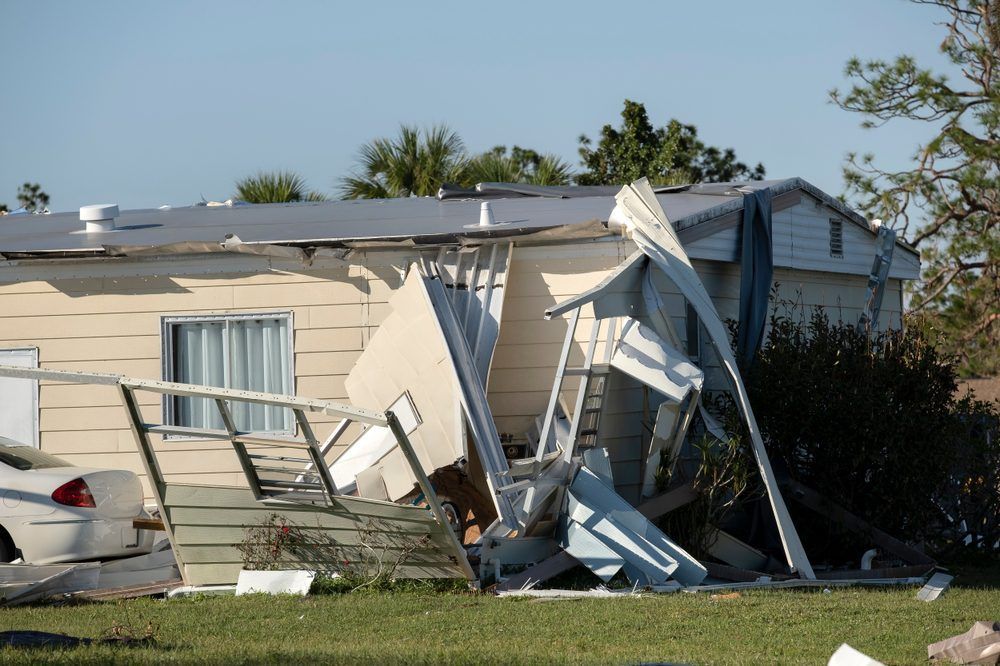
Rhode Island property damage law assigns a “duty of care” to individuals who own or occupy property. A duty of care means taking reasonable steps to keep buildings, grounds, and systems safe (R.I. Gen. Laws § 9-1-20). When that responsibility is neglected, losses may occur. For instance, a faulty roof that has been leaking for months can lead to mold growth, structural decay, and significant financial strain.
In such instances, the person who disregarded repairs may be obligated to reimburse the costs of restoration. Negligence does not always require extreme misconduct; it often occurs when someone simply overlooks maintenance tasks that a prudent property owner would address promptly.
Individuals or businesses suffering a loss should act quickly to safeguard legal rights. Reach out to our property damage attorney for prompt support and take the first step toward securing fair financial recovery.
Property Owners’ Responsibilities and Liabilities
Property owners in Rhode Island have a legal duty to keep their premises safe, whether it is a residence or commercial building. Under R.I. Gen. Laws § 34-18-22, owners who fail to maintain reasonable conditions and address known hazards can be held liable for any damage that results. For instance, if broken gutters or roof leaks lead to water infiltration and mold damage, the owner may be responsible for the resulting costs.
Owners must also adhere to various local and state safety regulations. When they ignore building code violations, they create risks for both tenants and neighbors. In such circumstances, lawyers will often show that the owner’s inaction directly caused or contributed to the property loss.
Tenants’ Duties and Possible Fault
Although owners shoulder broad maintenance obligations, tenants also have certain responsibilities. Rental agreements may assign care for day-to-day upkeep—such as using fixtures properly or promptly reporting small leaks. When tenants disregard these responsibilities, they might be liable for significant damage. For example, if a renter misuses an appliance and sparks a fire, the tenant could face legal claims from both the landlord and any affected neighbors.
In Rhode Island, courts scrutinize lease terms and actual conduct to see whether the tenant was negligent. Lawyers for property damage confirm whether the tenant violated the rental agreement or ignored reasonable rules for using the premises. Where a tenant’s actions are the clear cause of destruction, courts have regularly ordered them to pay for repairs (R.I. Gen. Laws § 9-1-20). Individuals living in multi-unit buildings also risk affecting the property of others through careless behavior.
Third-Party Negligence: Contractors and Outside Parties
Property damage sometimes stems from individuals or businesses who are not owners or tenants. Contractors, plumbers, electricians, and various tradespeople can be liable when their subpar services produce additional costs. For example, if an incorrectly installed pipe bursts and causes water seepage, the party that performed the faulty work may bear responsibility.
Similar principles apply if roofing work is done improperly, allowing rainwater to enter walls and trigger mold. In such cases, a wronged owner can seek financial relief from the service provider who neglected proper installation. Proving these claims usually involves examining contracts, invoices, and the specific standards of workmanship that apply to the trade in question.
Insurance Coverage, Disputes, and Denials
Insurance aims to shield property owners from certain risks, including fires, hurricanes, and leaks. However, disagreements with insurance carriers are common when payouts are delayed or reduced. Property insurance claim lawyers see situations where insurers attempt to deny coverage by arguing that negligence by the owner (or someone else) caused the damage, rather than a covered event.
Property insurance claim attorneys often examine policy language to verify which disasters and mishaps qualify under the agreement. If a fire originated from defective wiring, carriers may investigate to see if building codes were ignored. Meanwhile, owners might argue that the policy covers all fire damage, regardless of any overlooked maintenance issue.
One Step to Resolve Your Rhode Island Property Damage Claim
PALUMBO LAW is dedicated to helping property owners, tenants, and businesses achieve fair compensation. Our reputable Rhode Island property damage lawyers can pinpoint liability, negotiate with insurers, and, if necessary, fight in court. Take action to protect your property rights— contact us today to begin your claim and pursue the recovery you need.
The post Rhode Island’s Liability Laws: Who is Responsible for Property Damage? appeared first on PALUMBO LAW.